

How To Optimize Real Estate Investments For Tax Advantages
Owning real estate gives you access to valuable tax benefits that can make a real difference in your finances. You have the opportunity to claim deductions that reduce...
Jul 10, 2026


Wearing a fitness tracker gives you instant updates as you move through your workouts. By strapping on your device or syncing it with your smartphone, you gain a constant companion that encourages you to keep going. You notice each heartbeat and every extra step, which often motivates you to stick with your goals. Over time, these daily reminders help turn small actions into lasting habits that support your health. *Fitbit* and other popular wearables make it easier to reach personal milestones by showing your progress in real time. This guide shares seven straightforward ways to add wearable technology to your daily life, helping you stay motivated and in charge of your fitness journey.
First, you connect the strap or clip-on sensor to your smartphone app. Fully charge the device and follow on-screen prompts to link it with your user profile. Enter basic details like age, weight, and activity goals to help it estimate calories and distance accurately. Proper setup guarantees every reading contributes to your personalized plan.
Secure the band snugly on your wrist or arm so motion sensors deliver accurate data. Test a quick walk and see if steps update within seconds. Place clip-style trackers at hip level if you prefer that fit. By calibrating placement and profile, you ensure reliable measurements from day one.
Consistent tracking highlights where you improve and where habits slip. Review metrics each evening or weekly to identify trends. A quick look at clear numbers makes it easier to adjust pace or rest days. You learn to fine-tune workouts and daily movement based on honest feedback.
Review these figures on the app’s dashboard or widget for quick reference. Charts and color codes help you spot patterns, such as midweek dips or weekend peaks. Adjust your routine if you notice declining activity on busy days.
Use device data to create workouts that match your current fitness level. If your heart rate rarely reaches the cardio zone, follow a guided interval session available in many apps. When sleep data indicates restless nights, focus on lower-intensity exercises on recovery days. Your wearable offers sample routines that adapt as you grow stronger.
Connect third-party apps like *Strava* or *MyFitnessPal* to combine data across platforms. This gives you a full picture of runs, bike rides, and meals. You identify nutrient gaps when calories burned exceed intake. Adjust meal plans to support muscle recovery or fat loss based on accurate energy totals.
Gamification and social sharing boost your motivation when you feel less driven. Achievements and badges celebrate every milestone you reach. Your device sends a buzz to recognize daily streaks, step goals, or heart rate peaks. Friendly competition with friends adds fun to your routine efforts.
Turning each day into a small game keeps workouts engaging and rewarding. You feel proud when the device congratulates you on reaching a goal. Use built-in badges and trophies to visualize your progress.
Wearing your fitness tracker all day highlights simple activities that sum up over time. You see how chores, dog walks, or taking the stairs contribute to your progress. Make it a habit to wear the device before breakfast and keep it on until bedtime. This seamless tracking turns everyday movement into measurable improvements.
Sync data before you sleep and review summaries as part of your evening routine. Plan tomorrow’s workout based on tonight’s sleep score or today’s activity gaps. You develop a steady rhythm that fits with work, social life, and family without forcing extra gym visits.
Many wearables include guided breathing exercises to calm your mind after a busy day. Follow on-screen prompts to breathe in and out in sync with gentle animations. These sessions last a few minutes but can reduce stress markers and support recovery. Use them during lunch breaks or before sleep.
Some models measure blood oxygen levels and skin temperature. Athletes and outdoor enthusiasts find these readings helpful at high altitude or during intense training sessions. Recognize overtraining risks early when oxygen saturation dips or temperature rises. Adjust intensity to prevent injuries and promote steady progress.
Keep your firmware updated to access new features and improve accuracy. Manufacturers release updates that refine algorithms or add new workout modes. Schedule updates at night or during free time so your tracker remains ready each morning.
Evaluate whether a specialized device fits your changing needs. Runners might upgrade to GPS-enabled bands for accurate route tracking. Swimmers could choose waterproof models that log pool strokes and laps. Match the device to your main activity for better insights and a smoother experience.
Combine daily wear with guided sessions, social interactions, and sensors to make *wearable tech* an effective fitness partner. Follow these steps to create routines that are natural, enjoyable, and effective, progressing one step at a time.
Owning real estate gives you access to valuable tax benefits that can make a real difference in your finances. You have the opportunity to claim deductions that reduce...
Jul 10, 2026

Overseeing multiple franchise locations brings a constant stream of responsibilities, from monitoring inventory and organizing employee schedules to addressing customer...
Jul 05, 2026

When a key executive leaves their role, companies often encounter uncertainty and potential disruption. Careful preparation for leadership changes ensures that daily...
Jul 01, 2026

Building a consulting practice begins with thoughtful planning, smart choices, and consistent dedication. Identifying a genuine gap in the market sets a strong...
Jun 28, 2026

Remote teams often face unique hurdles such as coordinating across different time zones and maintaining clear communication among all members. Open source tools help...
Jun 24, 2026

Concerns about privacy grow as data breaches and online tracking become more common. Taking charge of your digital identity helps protect your personal information from...
Jun 21, 2026

Sliding into the driver’s seat and fastening your seatbelt marks the start of each commute, but daily drives often bring small frustrations. Glare from the sun, cold or...
Jun 15, 2026
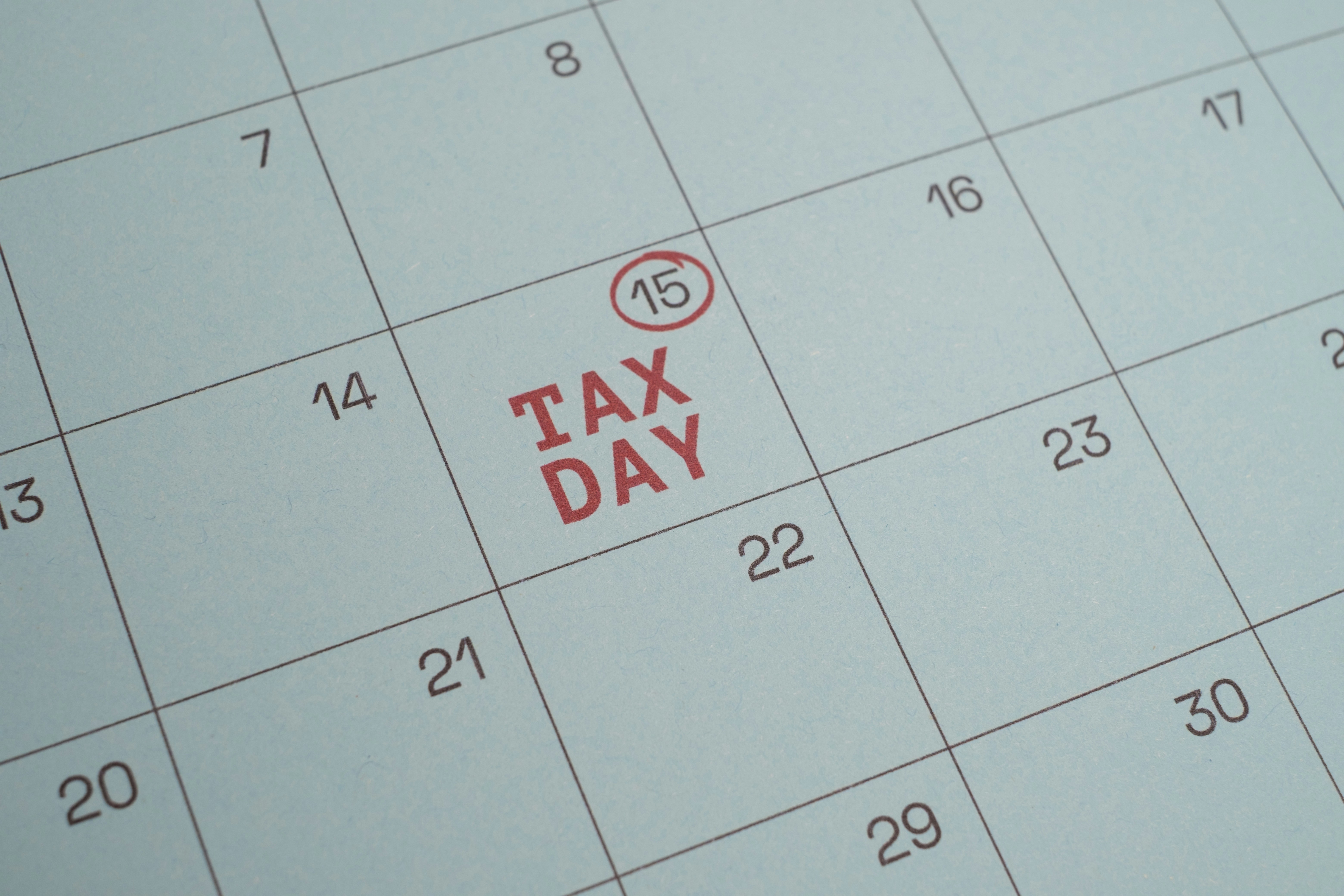
Owning assets such as property, investments, or accounts in multiple countries often brings unique tax challenges, as each nation sets its own requirements and...
Jun 15, 2026

Exploring venture capital investments introduces you to innovative startups and the potential for significant returns. Approaching this dynamic field without a...
Jun 10, 2026

Clear goals set the foundation for any strong funding pitch. Convincing investors that your idea holds real promise requires a well-defined purpose for your...
Jun 06, 2026

Building strong connections within a workplace often requires more than simply providing attractive salaries. Innovative ways to keep people involved can help strengthen...
Jun 02, 2026

Handing over a franchise, whether you are taking charge or passing it along, calls for careful preparation and open discussions with everyone involved. Planning ahead...
May 24, 2026
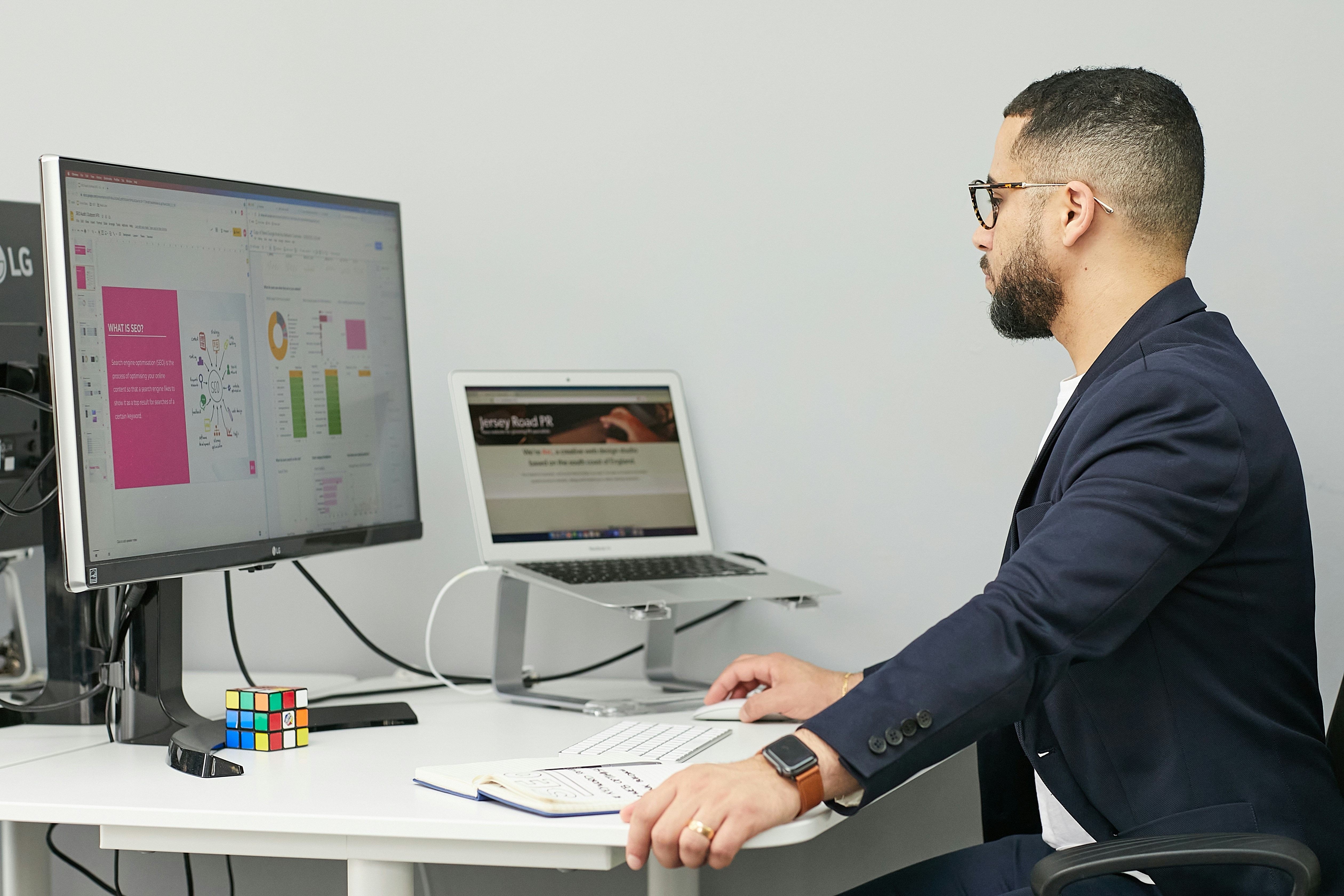
Many people turn to online courses to build valuable skills while balancing their busy schedules. Flexible platforms allow you to pick subjects that make a real...
Feb 26, 2026
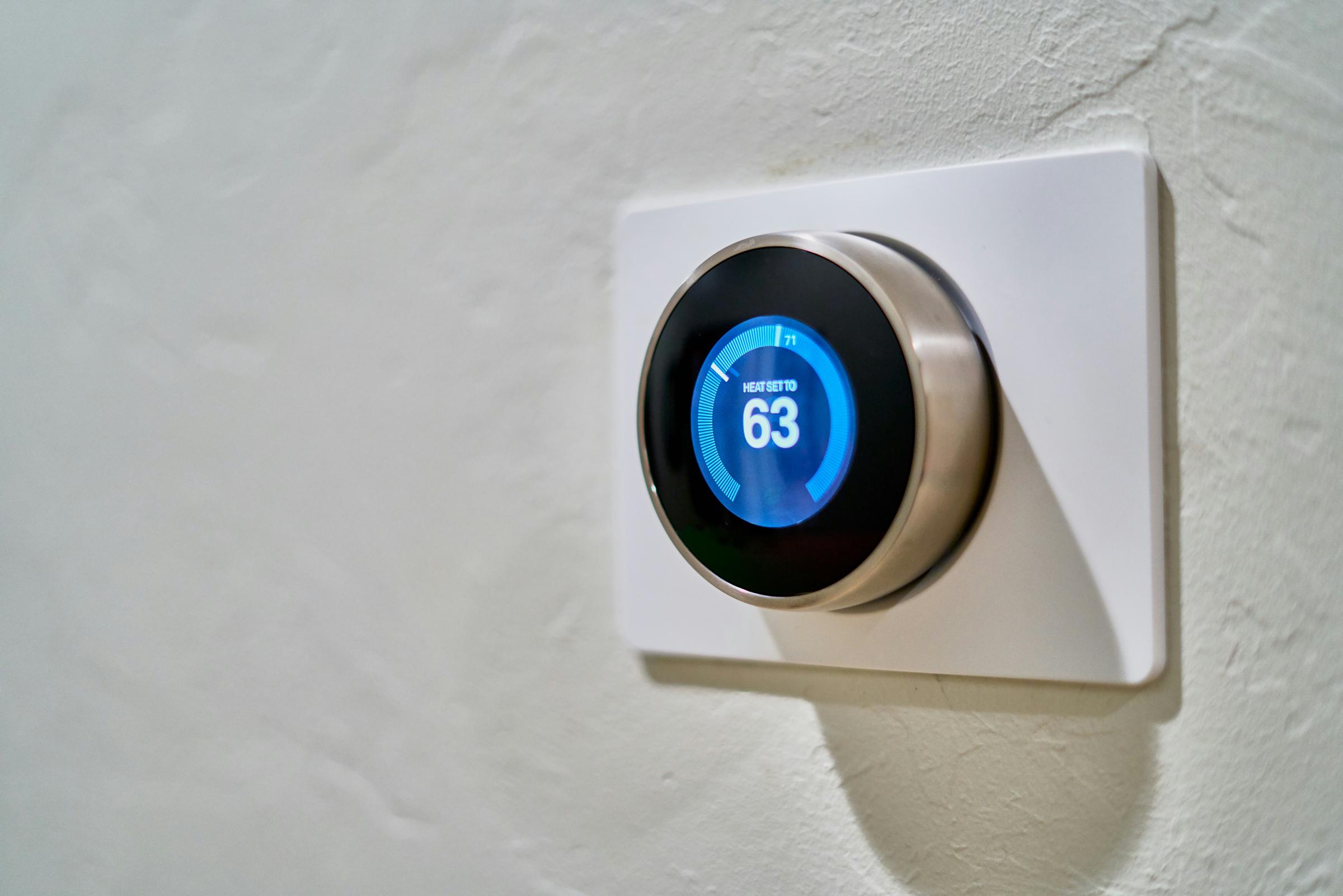
Smart devices now make it easy to create a home that automatically manages energy use, adjusts lighting, and cares for your garden, all while reducing your environmental...
Feb 24, 2026